Think of a thriving community as a finely tuned machine. When we look at a bustling city center or a peaceful suburban neighborhood, we easily notice the outward signs of success: the smooth roads, the beautifully landscaped parks, and the bustling local clinics. However, we rarely stop to think about the highly specialized, intricate gears turning behind the scenes to keep everything running. A modern local economy does not survive on generic services alone; it relies on a complex web of niche experts who handle everything from critical infrastructure to highly technical administrative management.
We often only notice these specialized businesses when something goes wrong—when a roof leaks after a major storm, an air conditioner fails in mid-July, or a critical piece of machinery breaks down on a production line. Taking a reactive approach to these services can cost property owners and entrepreneurs thousands of dollars in avoidable repairs and downtime. By shifting our perspective and viewing these specialized industries as proactive partners in community development, we can make smarter investments, preserve our assets, and foster a more resilient regional economy.
True community resilience is built from the ground up, requiring an incredible diversity of skills. The infrastructure holding up our buildings, the technical systems keeping our indoor spaces safe, and the administrative workflows powering our healthcare systems are all deeply interconnected. When we support local specialists, we are not just paying for a one-time service; we are keeping dollars in our local economy, creating high-skill jobs, and ensuring that our neighborhoods have the expertise required to weather any challenge. This comprehensive guide explores how these distinct industries contribute to our daily lives and provides practical tips to help you effectively leverage their expertise for your own home or business.
1. Proactive Structural Care: Safeguarding Your Roof Against Environmental Damage
The roof is a property’s first line of defense against the elements, constantly enduring UV radiation, heavy rainfall, high winds, and snow loads. Neglecting this critical barrier can lead to slow, hidden moisture intrusion that eventually compromises the structural integrity of the entire building. To prevent catastrophic failure and expensive mold remediation, property owners must adopt a rigorous inspection and maintenance routine rather than waiting for an active leak to appear.
Establishing a relationship with trusted local specialists is the most effective way to ensure your property remains protected throughout the changing seasons. When evaluating your options, it is wise to gather detailed estimates from multiple certified roofing companies to compare their warranties, material options, and safety records. Local experts have a distinct advantage over national chains because they possess deep knowledge of the specific weather patterns and regional building codes unique to your area.
To maximize the lifespan of your roof, implement these preventative habits:
-
Conduct visual inspections from the ground at least twice a year, specifically looking for curled, cracked, or missing shingles.
-
Clean gutters and downspouts every autumn and spring to ensure water flows freely away from the fascia and foundation.
-
Keep overhanging tree branches trimmed back at least six feet from the roof line to prevent physical scraping and minimize debris accumulation.
-
Check interior attic spaces after major storms for early signs of water staining, damp insulation, or unexpected daylight cutting through the roof boards.
When a sudden storm causes unexpected damage, having a pre-established relationship with a dependable roofing company can make a massive difference in emergency response times. A trusted local partner can quickly install temporary tarps to mitigate secondary water damage while putting together a long-term repair plan. By staying proactive and investing in high-quality local craftsmanship, you protect your financial investment and ensure your property remains a safe, durable asset within the community.
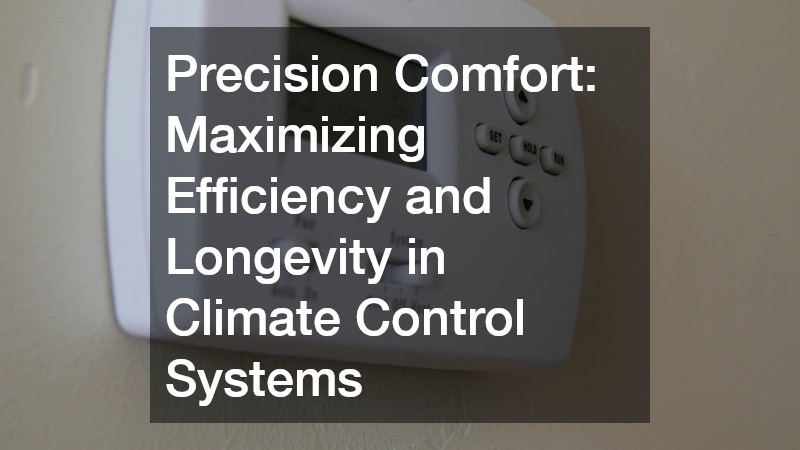
2. Precision Comfort: Maximizing Efficiency and Longevity in Climate Control Systems
Indoor climate control is often taken for granted until a system suddenly fails during an extreme weather event. Modern heating, ventilation, and air conditioning systems are highly sophisticated pieces of engineering that directly influence indoor air quality, occupant health, and monthly utility expenses. Failing to maintain these units leads to premature mechanical wear, uneven temperature distribution, and skyrocketing energy consumption.
For commercial property managers and homeowners alike, partnering with top-tier local HVAC companies is essential for maintaining operational continuity and comfort. These specialized technicians do more than just fix broken components; they perform comprehensive airflow calculations, calibrate thermostat sensors, and identify hidden duct leaks that drain system efficiency. Regular professional tuning keeps your mechanical systems operating at peak performance and dramatically reduces your building’s overall carbon footprint.
To keep your environmental systems running smoothly between professional check-ups, focus on these actionable steps:
-
Replace standard air filters every 30 to 90 days, depending on occupancy levels, pet ownership, and indoor air quality needs.
-
Clear a two-foot perimeter around all outdoor condenser units, removing weeds, leaves, and trash that restrict vital airflow.
-
Install programmable or smart thermostats to automatically adjust temperatures based on occupancy schedules, reducing unnecessary strain on the equipment.
-
Listen for unusual noises, such as grinding, squealing, or rattling, which often serve as early warning signs of mechanical component failure.
In addition to building comfort, local industrial expertise extends deep into precision manufacturing and regional supply chains. For example, local tech innovators and product developers frequently partner with a precision cnc company to manufacture custom components, brackets, or specialized tools without relying on lengthy overseas shipping. This synergy between physical climate comfort and local manufacturing precision highlights how diverse industries support one another, ensuring that regional businesses possess the tools and environments necessary to innovate and thrive.
3. Sharp Operations and Lush Landscapes: The Impact of Precision Tooling and Turf Management
Every successful industry relies on specialized maintenance to keep its daily operations safe, efficient, and visually appealing. In the culinary, medical, and crafting sectors, the sharpness of physical tools directly dictates the quality of the final output and the safety of the person using them. Working with a professional knife sharpening company ensures that blades are ground to the precise angles required for clean cuts, reducing physical strain on workers and minimizing the risk of slips and accidental injuries.
Simultaneously, the physical exterior of our homes and businesses establishes the first impression for visitors and sets the standard for neighborhood curb appeal. Developing a healthy lawn is not purely an aesthetic choice; professional turf establishment provides vital erosion control, filters groundwater pollutants, and helps cool the microclimate around a building. To achieve these long-term environmental benefits, property owners must look beyond generic hardware store solutions and seek specialized local expertise.
Consulting a reputable local sod company allows you to select turf grass varieties that are genetically optimized for your specific soil type, shade levels, and regional rainfall patterns. This targeted approach results in a resilient, deep-rooting lawn that requires far less water and fewer chemical interventions over its lifespan.
Consider these essential tips for establishing and maintaining premium turf:
-
Test your soil pH and nutrient levels before laying down any new grass to ensure the ground can support healthy root development.
-
Water deeply but infrequently early in the morning to encourage roots to grow downward in search of moisture, making the lawn drought-resistant.
-
Maintain a higher mowing height during the peak of summer, as longer grass blades shade the soil, reducing water evaporation and discouraging weed growth.
-
Aerate your soil annually to relieve compaction, allowing oxygen, water, and vital nutrients to reach the root zone efficiently.
4. Groundwork for the Future: Engineering Foundations and Structural Integrity
Before any beautiful building can rise into the sky, massive amounts of engineering expertise must be poured directly into the ground beneath it. The stability of any structure relies entirely on how well its foundation interacts with the underlying soil and bedrock. In regions characterized by expansive clay, shifting sand, or high water tables, standard shallow foundations are often insufficient to prevent shifting, cracking, and eventual structural failure over time.
When dealing with challenging terrain or heavy commercial loads, bringing in a specialized pier drilling company is a critical first step in the construction process. These heavy equipment experts drill deep shafts through unstable topsoil to anchor heavy steel and concrete piers directly into solid bedrock. This complex process ensures that the building’s weight is safely transferred to stable geological strata, mitigating the risk of foundation settling or catastrophic structural movement for decades to come.
Navigating these underground complexities requires strict adherence to precise architectural designs and strict municipal safety mandates. Working side-by-side with a reputable local structural engineering company guarantees that your building plans are completely optimized for regional seismic activity, wind loads, and soil conditions. These engineers conduct rigorous site assessments, review material load capacities, and provide independent oversight to ensure that construction crews execute every detail safely.
To ensure your large-scale construction or renovation project proceeds without costly structural surprises, keep these guidelines in mind:
-
Always demand a comprehensive geotechnical soil report before finalizing your foundation designs or purchasing a piece of land.
-
Address minor foundation cracks, sticking doors, or uneven floors immediately, as these are often early signs of underlying soil movement.
-
Ensure that the ground surrounding your building slopes away from the foundation at a grade of at least six inches over the first ten feet to prevent water pooling.
-
Maintain consistent moisture levels in the soil around your foundation during severe droughts to prevent the ground from shrinking away from the structural supports.
5. Seamless Workflows: Optimizing Medical Administration and Civil Infrastructure
A truly strong community balances physical durability with robust administrative systems. In the healthcare sector, local medical clinics and independent practitioners face a mountain of regulatory compliance, insurance documentation, and complex billing procedures. When healthcare providers are overwhelmed by administrative burdens, patient care can suffer, and clinics risk financial instability due to delayed or denied insurance claims.
To solve this problem, many independent practices outsource their revenue cycle management to expert medical billing companies that specialize in navigating the changing landscape of healthcare insurance. These administrative partners ensure that claims are coded accurately, submitted promptly, and appealed efficiently when necessary. This crucial B2B service stabilizes the financial health of local clinics, allowing doctors and nurses to focus their energy entirely on delivering high-quality patient care to the community.
While administrative specialists keep our healthcare systems financially viable, our daily physical movement depends on large-scale public works projects. Behind every smooth morning commute, clean drinking water system, and safe public park is a dedicated civil construction company upgrading the foundational infrastructure we all rely on. These massive organizations manage the logistics of building roads, laying utility lines, and constructing storm water management systems that keep our cities safe and connected.
To understand how these massive public and private systems impact your own operations and community, consider these insights:
-
Streamlined administrative workflows in medical offices lead to shorter patient wait times, clearer billing statements, and higher overall satisfaction.
-
Well-planned public infrastructure projects attract new businesses, increase regional property values, and reduce vehicle wear and tear for residents.
-
Supporting regional administrative and construction partners keeps municipal tax dollars circulating locally, creating a healthier economic multiplier effect.
-
Proactive investments in both digital cybersecurity for administrative data and physical upgrades for public roads prevent costly community-wide disruptions.
Every thriving town or city is an interconnected ecosystem of highly specialized professionals. From the deep foundation work that anchors our commercial spaces to the back-office administrative teams that keep our healthcare clinics financially solvent, our daily lives are shaped by these niche industries. When we look past the surface of our communities, we find a rich network of expertise dedicated to maintaining safety, efficiency, and beauty.
The next time you face a property renovation, an operational bottleneck at your business, or a major construction project, look to your regional specialists first. Choosing to partner with local experts is more than a simple transaction; it is a direct investment in the resilience, financial health, and future of your own neighborhood. By valuing this specialized knowledge, we ensure our communities remain vibrant, safe, and prosperous places to live and work for generations to come.